Stink Bugs: History, Life Cycle, Environmental Impact, and Control Strategies
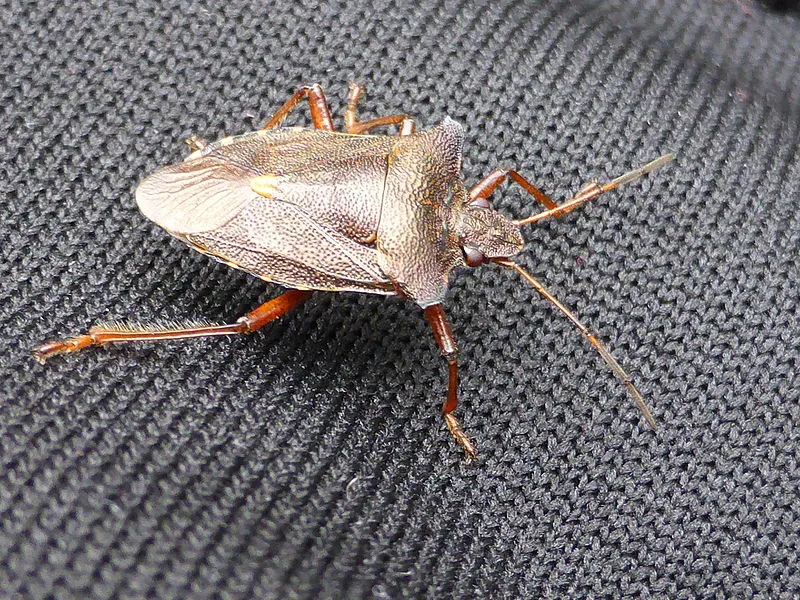
The brown marmorated stink bug (Halyomorpha halys) is an invasive pest that has become a major nuisance in the United States. While they are harmless to humans, these insects can cause significant agricultural damage and become an unwelcome presence in homes during colder months. Understanding their history, life cycle, impact, and management strategies is key to controlling their spread.
History in the United States
Native to East Asia, the brown marmorated stink bug was first identified in the United States in the late 1990s in Allentown, Pennsylvania. Since then, it has spread to numerous states, causing widespread concern among farmers and homeowners alike. This invasive species likely arrived through international shipping and has thrived due to a lack of natural predators. (Penn State Extension)
Life Cycle
Stink bugs undergo incomplete metamorphosis, progressing through three main stages: egg, nymph, and adult. Females lay clusters of 20-30 light green or white eggs on the underside of leaves. These eggs hatch into nymphs that molt through five instars before reaching adulthood. The entire development process takes about 4-6 weeks, and in warmer climates, multiple generations can occur in a single season. In the fall, adults seek shelter inside homes and other buildings to overwinter. (University of Maryland Extension)
Environmental Impact
Stink bugs are notorious agricultural pests, feeding on a wide variety of crops including apples, peaches, soybeans, and corn. Their piercing-sucking mouthparts cause damage that leads to deformities and economic losses for farmers. Additionally, their tendency to overwinter in homes makes them a persistent nuisance for homeowners. Unlike other pests, stink bugs do not bite or spread disease, but when disturbed, they release a foul-smelling odor as a defense mechanism. (Northeast IPM)
Strategies for Dealing with Infestations
Managing stink bug infestations requires both prevention and control methods:
- Seal Entry Points: Inspect homes for cracks and gaps, especially around windows, doors, and vents. Use caulk and weather stripping to seal any potential entry points. (Northeast IPM)
- Use Physical Barriers: Installing fine-mesh screens over windows and attic vents can help prevent stink bugs from entering.
- Vacuuming: If stink bugs do enter your home, using a vacuum cleaner to remove them is an effective, non-toxic method. Be sure to dispose of the vacuum bag promptly to prevent the odor from lingering.
- Exterior Treatments: Insecticidal sprays can be applied to the exterior of homes in early fall to deter stink bugs from gathering. Consulting a pest control professional can help ensure the correct application.
- Natural Predators: Encouraging native predators such as birds, spiders, and parasitic wasps may help reduce stink bug populations naturally.
By following these prevention and control strategies, homeowners and farmers can minimize the impact of stink bug infestations and protect their homes and crops from these invasive pests.
References
Featured image credit: https://commons.wikimedia.org/wiki/File%3AStink-bug.jpg


